
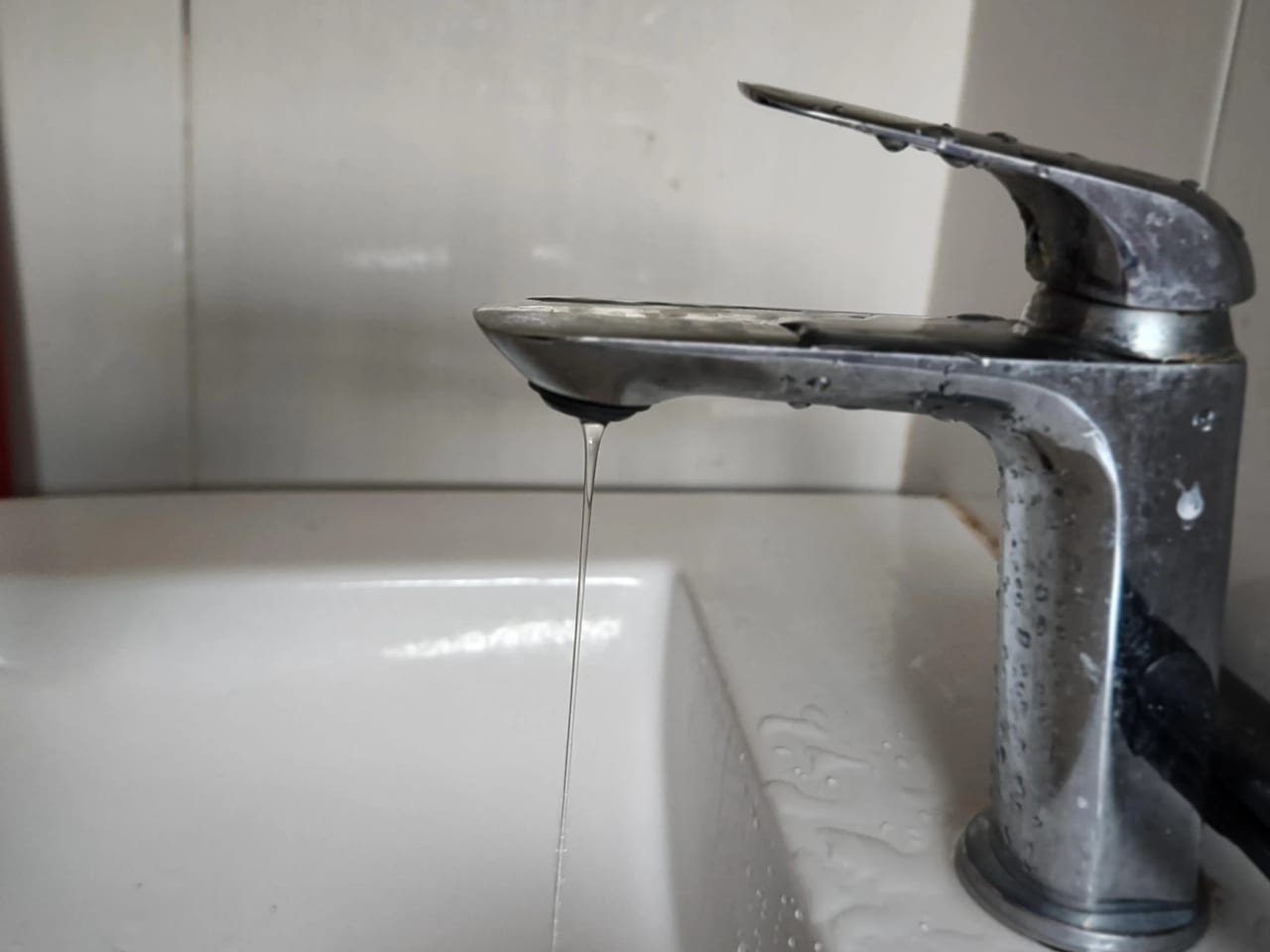
Find the model before buying parts
A running toilet, stiff faucet and leaking shower control may have replaceable components. Share the maker, model and photographs of accessible parts. A visible finish is not enough to identify the concealed valve. Ask the plumber whether parts are available and what access is needed before purchasing a replacement fixture. Use the owner-supplied faucet fit checklist to prepare that conversation.
Decide what the quote includes
Confirm removal, supply connectors, shutoffs, seals and a leak check. For a toilet, ask what happens if removal reveals a damaged flange or floor. For a faucet, confirm the hole pattern and clearance. Request a separate explanation and price for unexpected repairs before additional work proceeds. Use the shower alteration scope checklist when this decision applies.
Keep water use and the repair decision separate
A fixture that runs between uses can waste water even without visible floor damage. Ask about testing the source and compatible replacement parts. Portland offers water-efficiency resources and a qualified home leak assistance program; check its current eligibility directly rather than assuming every fixture or property qualifies. Use the intermittent toilet refill record to prepare that conversation.
Read water-quality evidence before choosing a fixture
If a water-quality concern prompted the replacement question, keep utility records, tap sampling and the fixture assessment distinct. Ask the responsible water-quality program how to interpret its evidence and the plumbing business what component the proposed work addresses. A new fixture is not a whole-home water-safety determination.
Measure use before a conservation upgrade
For a planned efficiency retrofit, record accessible fixture-use observations and possible leaks separately. State occupancy and seasonal-use assumptions, then ask which repair or replacement scope addresses the priority you identified. General water-use guidance is not a promised bill reduction or confirmed rebate.
Plan ADU connections before committing to fixtures
For an ADU project, compare the proposed fixtures with the applicable shared or separate meter arrangement and assessed private supply changes. Confirm the connection plan with the responsible authority and business before nonreturnable purchases. Fixture installation availability and project requirements remain address specific. Read the ADU meter and fixture planning guide for this decision.
Read source notices at their actual scope
When a utility source notice prompts a treatment proposal, identify its provider, date and stated supply conditions separately from the fixture fault. Ask what evidence supports the proposed treatment objective before adding whole-house equipment to a defined repair. General source descriptions do not establish current conditions at every tap.
Check protection before changing a business layout
A business fit-out can change water-connected equipment while leaving other systems in place. Ask Portland Water Bureau about proposed backflow assembly removal or relocation; a previous annual test is not a decision covering the changed use. Read the business backflow change review for this decision.
Verify the exact drinking-water product record
For a replacement drinking-water faucet, request compliance evidence matched to the exact model. Keep product certification, physical fit and any tap-water concern as separate questions, and recheck evidence when a seller substitutes another product.
Compare a changed bathing layout across trades
A tub-to-shower plan should identify retained and altered plumbing plus the party responsible for the base, enclosure and finishes. Confirm project review for the actual layout; a fixture-installation line item does not establish a complete bathroom-remodel scope.
Verify the currency of a toilet incentive before budgeting it
An authentic dated rebate article does not establish a current offer. Ask Portland Water Bureau for the applicable program answer before counting a credit, and compare fixture repair or replacement at its stated cost while the benefit remains unconfirmed.
Keep water-notice and equipment restart records separate
For a business with a Portland boil-water notice, identify affected water-fed ice and beverage equipment and retain the notice window. A utility lifting notice does not replace product disposition or model-specific equipment follow-up.
Clarify missing bathroom history before a remodel
An absent online permit document can reflect Portland’s recent-document availability gap. Identify the dates and records route, separate missing evidence from a confirmed unfinished status and carry clarified assumptions into the proposed bathroom work.
Questions to ask about toilets, faucets & fixture repairs
- What does the initial assessment include?
- Which work and materials are included in the written quote?
- Who authorizes changes and arranges required inspections?
Does the quote include everything?
Ask about assessment charges, the proposed remedy, parts, testing and work excluded from the scope. Availability and charges depend on the independent business and actual property.
Use the plumbing quote checklist ↗Prepare the next decision
Read the relevant homeowner preparation guide before authorizing work. Keep clear records after the repair so later questions can be answered.
Official resources
- Portland residential plumbing permits ↗
- Portland sewer and drain repair guidance ↗
- Portland Water Bureau contacts ↗
- Portland home water leak repair assistance ↗
Resources provide general preparation and official contacts. They do not establish provider coverage or endorsement.