
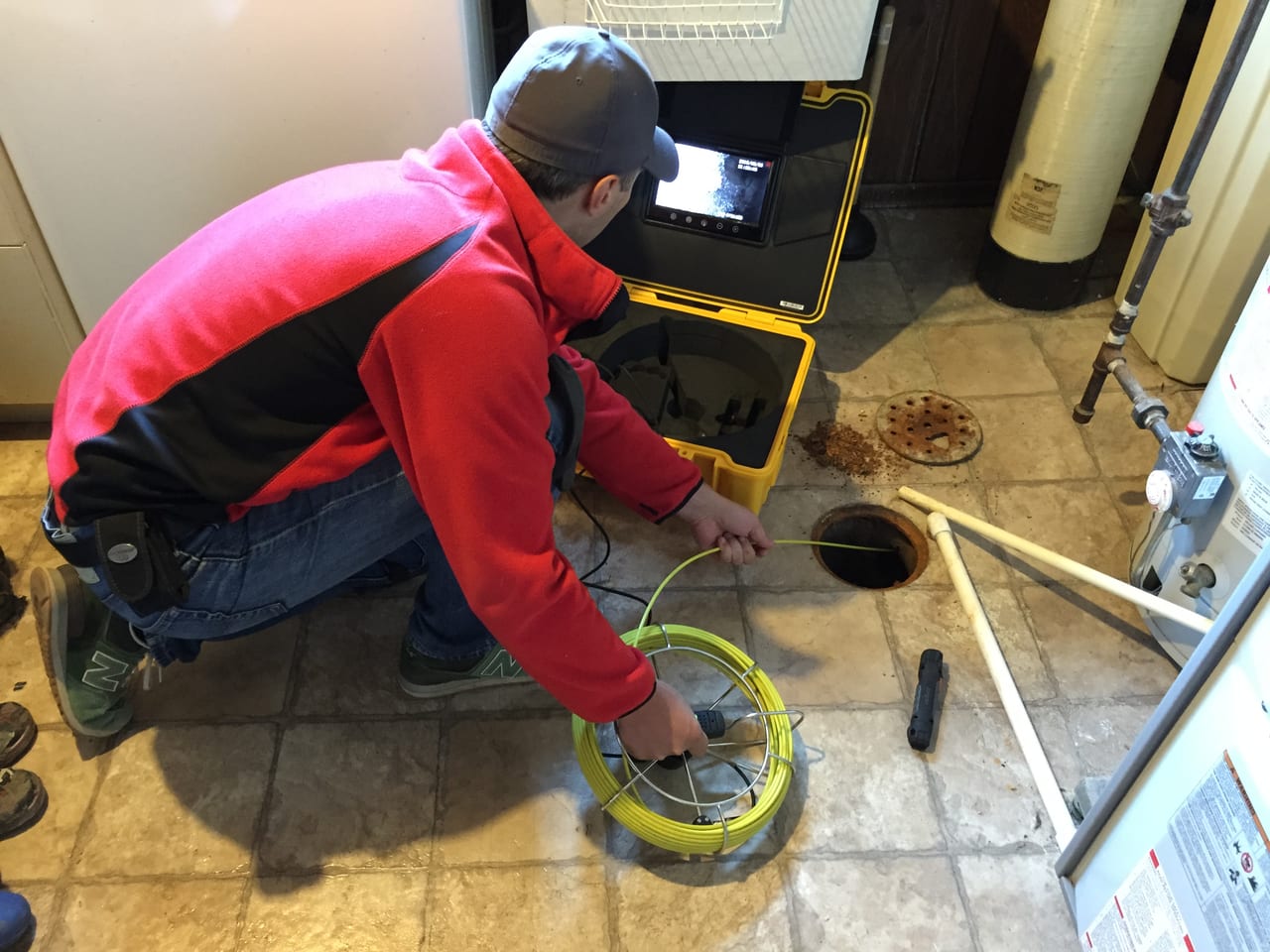
Ask for evidence you can keep
Recurring backups or a sewer inspection finding should lead to a clear explanation of location and condition. Request the video or report, the access point and measured distance to the problem. A camera finding alone does not tell you which repair method is appropriate; ask how the pipe condition and access influence the recommendation.
Separate ownership from the repair method
Portland publishes guidance on private lines, city-maintained portions and shared or party sewers. Have the contractor verify the actual connection and relevant records, especially when several properties use a line. Do not assume that a problem beneath a street, sidewalk or yard settles responsibility without that check. Use the party-sewer coordination record when this decision applies.
Compare the complete reinstatement scope
Ask about locating other utilities, permits, inspections, excavation or trenchless access, removal of waste and restoration of surfaces. Tree roots, slope and access can affect the proposal, but the quote should explain the observed issue at your address. Keep the final inspection records and a written description of the completed work. Use the sewer surface-restoration scope worksheet to prepare that conversation.
Assess protection for low-level drainage fixtures
A sewer backwater valve addresses a different system from drinking-water backflow equipment. Ask for the relevant fixture and manhole elevation assessment, actual drain routing and future service access before accepting protective work. Planning protection does not resolve an active sewer incident or provide contaminated-material cleanup.
Coordinate public access work with the private proposal
A City cleanout notice and a private access proposal should be compared by location, purpose and timing. Confirm the actual public deliverable and ask the assessing business which private segment remains to be examined before authorizing overlapping work. Read the City cleanout and private-bid comparison for this decision.
Keep the old-system conversion handoff visible
Connecting an active septic system to public sewer needs coordinated private connection work and separate decommissioning evidence. Confirm the actual branch and assign specialty work to the appropriate party; a functioning new route does not document retirement of an old septic feature. Read the active septic to sewer handoff for this decision.
Trace a food-cart connection beyond its dump station
For a proposed food-cart hookup, identify the shared wastewater route, grease interception and sanitary destination using the current site and utility plan. Ask the owner and responsible reviewers which connection work is approved before accepting an unidentified drain as suitable. Read the food-cart sanitary connection plan for this decision.
Match tree review to the proposed excavation
Portland’s sidewalk root-pruning FAQ applies to a defined non-development repair route. Ask which tree-review process covers the actual sewer excavation and access impacts before assuming that citation supplies the needed authorization.
Questions to ask about sewer line inspection & repair
- What does the initial assessment include?
- Which work and materials are included in the written quote?
- Who authorizes changes and arranges required inspections?
Does the quote include everything?
Ask about assessment charges, the proposed remedy, parts, testing and work excluded from the scope. Availability and charges depend on the independent business and actual property.
Use the plumbing quote checklist ↗Prepare the next decision
Read the relevant homeowner preparation guide before authorizing work. Keep clear records after the repair so later questions can be answered.
Official resources
- Portland residential plumbing permits ↗
- Portland sewer and drain repair guidance ↗
- Portland Water Bureau contacts ↗
- Portland home water leak repair assistance ↗
Resources provide general preparation and official contacts. They do not establish provider coverage or endorsement.